Pakistan is grappling with a severe liquefied natural gas (LNG) shortage as disruptions from the ongoing conflict in the Gulf region have halted shipments from Qatar, its main supplier.
The country, which relies on Qatar for nearly all its LNG imports, now faces reduced operations at import terminals and warnings of potential complete halts soon. Spot prices have risen sharply, making alternative sources hard to access, and authorities are turning to costlier fuels to maintain power supply.
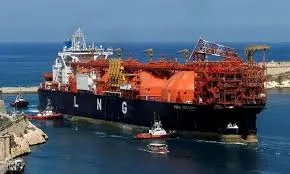
Pakistan sources about 99% of its LNG from Qatar and the UAE, with long-term contracts delivering around nine cargoes monthly from Qatar alone. The recent escalation in the Middle East, including strikes on Qatar’s Ras Laffan facility—the world’s largest LNG export hub—has led QatarEnergy to halt production and declare force majeure on contracts.
This has blocked shipments through the Strait of Hormuz and caused major delays. Of eight planned LNG cargoes for March, only two arrived, and similar shortfalls are expected in coming months.
Pakistan began 2026 with an LNG surplus due to lower demand from factors like increased solar power use, leading to earlier requests to defer or redirect cargoes. Those steps have now left the country exposed as global supply tightens.
Officials report that regasification at the two main terminals has dropped to a small fraction of capacity. One terminal could run dry in days without new arrivals, and full operations might stop by month’s end if no relief comes.
Efforts to secure extra cargoes from QatarEnergy or reschedule from suppliers like Eni have failed amid the crisis. Attempts to buy from Europe, the US, Oman, Azerbaijan, or Africa have stalled due to high costs.
Spot LNG prices in Asia have climbed significantly—reports indicate surges linked to the conflict, though exact current figures vary amid market volatility. Shipping expenses and longer routes add further strain.
Impact on Power and Economy
Without steady LNG, Pakistan may shift more to furnace oil and other expensive alternatives for electricity generation. This raises costs and risks blackouts, especially as summer demand rises.
Pakistan GasPort officials have cautioned that supply issues could last a long time, describing a tough period ahead—possibly a difficult year followed by two or three more—if conditions do not stabilize.
Industries, households, and power plants feel the pressure. Some sectors already face cuts, and broader measures like reduced regasification prioritize domestic needs.
The crisis highlights Pakistan’s vulnerability to Gulf events. Past events, like the 2022 price spike, caused outages, and this situation echoes those challenges.
Outlook and Responses
Government teams are pursuing emergency plans, including boosting local gas output where possible. Long-term fixes may require diversifying suppliers and building more storage or alternative energy sources.
No immediate resolution appears likely while the conflict continues. Global markets watch closely, as prolonged Qatar disruptions could keep prices elevated for months or years, depending on repair times.