Global oil markets have seen a notable shift in recent days. Iranian Light crude is selling for roughly $1 more per barrel than the Brent benchmark — the first time this has happened since May 2022.
This marks a sharp change from the start of the year, when Iranian oil often traded at discounts of around $10 per barrel because of long-standing US sanctions.
The move comes after the US government announced a temporary easing of certain sanctions on March 20. That decision opened the door for more Iranian oil shipments to reach buyers in international markets.
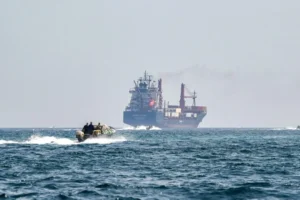
At the same time, supply from other major producers in the Gulf has faced serious setbacks. Disruptions around the Strait of Hormuz have limited shipments from countries including Saudi Arabia and Kuwait. Iran has managed to keep its export volumes more steady through the same routes.
Traders appear ready to pay a premium for Iranian barrels that can still move reliably. With fewer options available from neighboring producers, Iranian crude has gained value in the current tight market.
What Led to the Price Reversal
Earlier this year, sanctions kept Iranian oil at a steep discount to attract buyers willing to take the risk. The March 20 waiver changed that picture quickly.
Data from market trackers showed the Iranian main export grade moving to a $1 premium over Brent around March 26. Brent itself has seen high volatility amid broader regional tensions, recently trading well above $100 per barrel in some sessions.
Iran has benefited from its position controlling access through key shipping lanes. While other Gulf producers struggle with reduced export capacity, Iranian shipments have continued at relatively consistent levels.
This situation has allowed Tehran to gain some commercial ground even as wider instability affects the area.
Background on Regional Oil Flows
The Strait of Hormuz normally carries a large share of global oil shipments. Recent disruptions have hit exports hard from several countries that rely heavily on the route.
Saudi Arabia and Kuwait have reported lower export volumes and, in some cases, production cuts due to storage limits and shipping problems. Iran, by contrast, has maintained better access for its own tankers.
Buyers in Asia and elsewhere have shown increased interest in available Iranian supplies that can reach them without major delays.
No immediate comments from US officials or Iranian authorities were available on the latest pricing data, but the temporary sanctions adjustment was publicly framed as a step to help ease pressure on global energy prices.
What Happens Next
The premium for Iranian crude remains small for now, at around $1 per barrel. How long it lasts will depend on how the sanctions waiver plays out and whether shipping conditions in the Gulf improve.
Analysts will watch closely for any further changes in export volumes or new policy moves from Washington. For the moment, the development highlights how quickly supply dynamics can shift in a region that supplies a significant portion of the world’s oil.