The ongoing U.S.-led conflict with Iran shows no signs of ending soon and risks turning into a long-term struggle with serious effects on world energy markets and food supplies.
A Chinese-Canadian scholar, Professor Jiang Xueqin (often referred to in reports as Professor Chang), shared this view in a recent interview with commentator Tucker Carlson. The discussion, which aired around March 20-21, 2026, has drawn attention for its stark predictions about the war’s path.
War Could Drag On Like Ukraine Conflict
Professor Jiang described the situation as likely to become a prolonged war of attrition, much like the Russia-Ukraine war. He noted that Iran shows little willingness to stop military actions in the short term. Instead, the fighting may spread across the region, with neither side ready to back down fully.
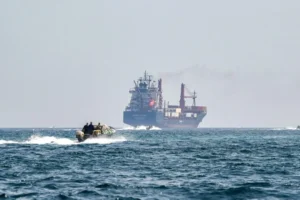
Current reports confirm the war, which began with U.S. and Israeli strikes on February 28, 2026, remains active into its fourth week. Military actions continue, including strikes on Iranian infrastructure and Iranian missile responses targeting Israel. The U.S. has reported degrading Iran’s naval and missile capabilities, while Tehran maintains pressure on key shipping routes like the Strait of Hormuz.
Oil Prices Face Major Risk
The professor warned that extended disruption to global energy flows could send oil prices soaring to $200 per barrel. This would stem from threats to production and transport in the Middle East, a key oil-producing area.
Oil markets already reflect the tension. Brent crude has hovered around $100 per barrel recently, up sharply from pre-war levels near $70. Prices spiked higher earlier in the conflict before settling amid some supply adjustments and stockpile releases. A jump to $200 would mark an extreme escalation, far beyond current levels.
Higher oil costs would raise expenses for transport, manufacturing, and farming inputs like fertilizers. This chain of increases could worsen food prices and heighten shortage risks in import-dependent areas.
U.S. Position Seen as Difficult
Professor Jiang argued the United States finds itself in a tough spot with few good exits. Efforts to end the conflict might prompt Iran to seek reparations for damages and demand a full American pullout from the Middle East. Such a withdrawal, he suggested, could weaken the petrodollar arrangement, where much global oil trade occurs in U.S. dollars. A shift away from dollar-based oil sales might reduce demand for the currency and strain the American economy.
President Trump has spoken of possibly winding down operations, but recent developments—including additional troop movements and ongoing strikes—indicate no immediate resolution. Mediation attempts by countries like Oman and Egypt have not succeeded so far, with both sides rejecting talks under current terms.
The interview clip from Tucker Carlson’s show has circulated widely online, prompting debate about the war’s economic fallout.