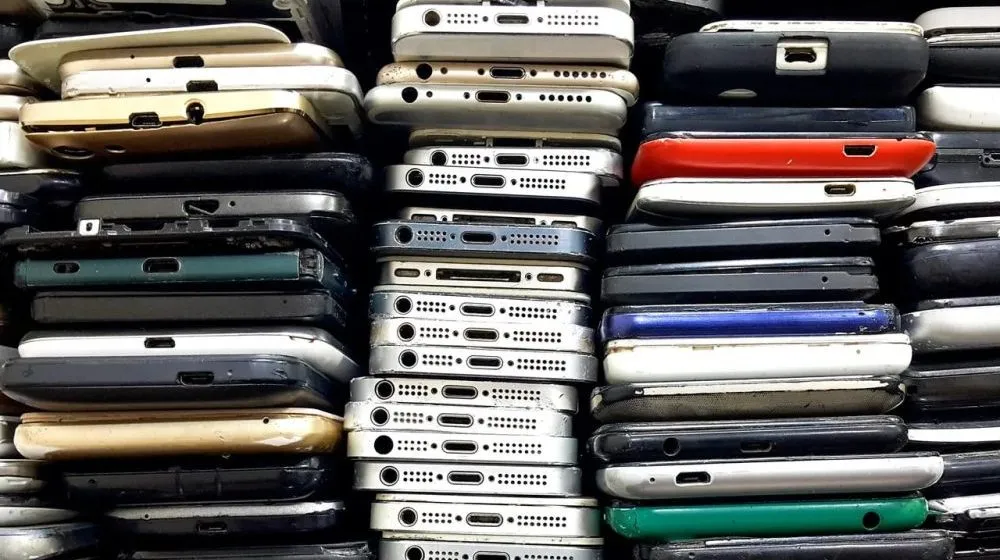
Pakistan’s telecom regulator took strong action against illegal mobile devices last year, blocking close to 100 million units.
The Pakistan Telecommunication Authority (PTA) reported these measures in its latest annual review for the 2024-25 financial year. Among the blocked phones, around 868,000 were reported as lost or stolen. Another 72 million were identified as counterfeit or replicas, while 27 million had duplicated or cloned IMEI numbers.
How DIRBS Changed the Market
The authority credits much of this progress to its Device Identification, Registration and Blocking System, known as DIRBS. This tool has helped reduce the entry of fake and non-standard phones into the country. It has also improved safety for users and brought more structure to the phone market.
Rules introduced in 2021 built on DIRBS to support phone assembly and production inside Pakistan. As a result, the industry grew quickly. By 2025, over 95 percent of devices connected to local networks were made in the country. That includes 68 percent of all smartphones.
This marks a big step away from relying on imports. The PTA has granted production approvals to 36 companies, both local and foreign. Brands like Samsung, Xiaomi, Oppo, and Vivo are now assembling phones here.
Revenue and Broader Impact
Since 2019, registrations of individual imported devices have brought in more than Rs. 83 billion for the government.
Also Read: PTA says imported mobile phone tax may be reduced
These efforts have built a stronger local industry, helping the economy stand on its own feet. The PTA says ongoing checks through DIRBS are creating a safer and more reliable digital space for everyone in Pakistan.