Oil prices have climbed above $100 per barrel once more as attacks on tankers in Iraqi waters heighten worries over Middle East energy supplies.
Global oil benchmarks rose sharply on March 12, 2026, after reports confirmed attacks on two foreign oil tankers in Iraqi territorial waters near the northern Persian Gulf. The incidents, linked to the ongoing U.S.-Israel conflict with Iran, sent Brent crude up around 9% to trade near $100.50 per barrel in early sessions. U.S. West Texas Intermediate (WTI) futures gained roughly 8-9%, reaching about $94-95 per barrel.
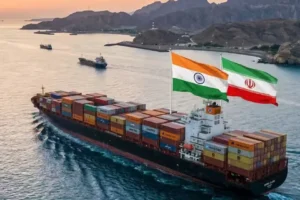
The strikes occurred close to key Iraqi ports, including areas near Basra and al-Faw, prompting Iraqi authorities to suspend operations at several oil terminals. Initial reports from Iraqi port security officials indicated the tankers caught fire after being hit, with crew evacuations and at least one confirmed fatality in related Gulf maritime incidents. Shipping through the Strait of Hormuz—a vital chokepoint for about one-fifth of the world’s daily oil flow—has faced severe restrictions, with many vessels anchoring or avoiding the route altogether.
Escalating Regional Tensions Drive Market Reaction
The attacks form part of broader disruptions tied to the war that began in late February 2026. Iran has carried out retaliatory actions against shipping and energy infrastructure in response to U.S. and Israeli military operations. Recent days have seen multiple vessels targeted in the Persian Gulf, including incidents involving explosive-laden boats and drones.
Major Gulf producers such as Iraq, Kuwait, and Oman have taken precautionary steps, including halting exports from certain terminals and reducing output due to storage limits and safety risks. Analysts point out that prolonged closure or threats to the Strait of Hormuz could lead to even tighter global supplies.
In response to the surge, the International Energy Agency (IEA) announced a coordinated release of 400 million barrels from member countries’ strategic reserves—the largest such action on record. The U.S. is contributing a significant portion, around 172 million barrels. Despite this effort, prices continued to rise on March 12, showing that market participants remain concerned about ongoing supply risks rather than reassured by the reserve drawdown.
Energy experts note that while the release aims to cover short-term gaps, sustained conflict could push prices higher if disruptions persist.
Also Read: First Oil Tanker Reaches Pakistan Amid Hormuz Tensions
What This Means for Global Markets
Higher oil costs are already influencing fuel prices worldwide and could add pressure to inflation in coming months. Traders continue to monitor developments in the region closely for signs of de-escalation or further incidents.