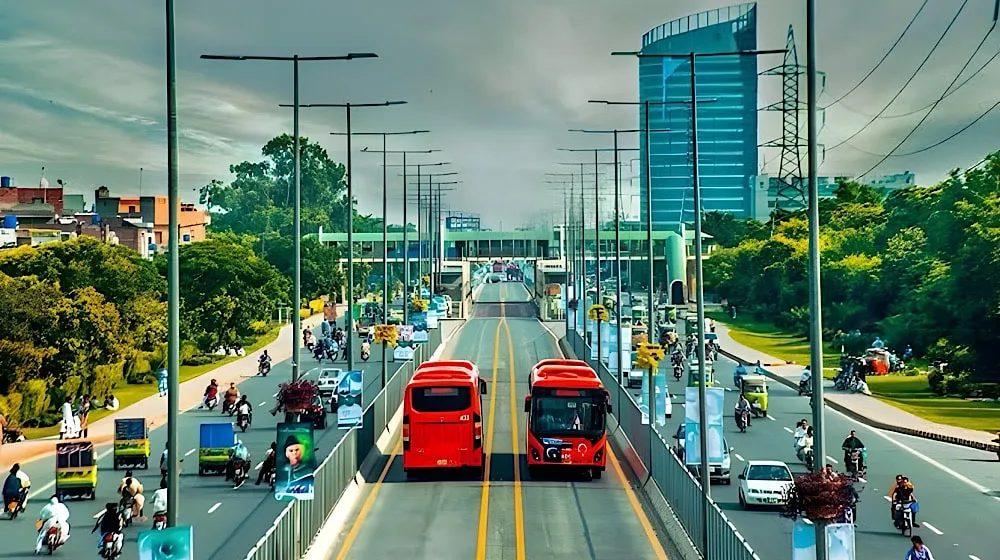
Islamabad – The Capital Development Authority (CDA) is steadily moving the city’s metro bus system toward a cashless model. Physical tokens are being replaced with digital options, allowing commuters to pay fares through mobile apps, smart cards, or QR code scans.
This change forms part of a larger effort to create a more modern and efficient public transport network in the federal capital. Commuters no longer need to carry cash or buy single-use tokens for most rides.
How commuters pay now
At metro stations, ticket vending machines remain available for those who prefer them. Passengers can purchase single-journey options or add value to Metrobus cards. However, the focus has shifted to digital methods.
- Riders scan QR codes using the official CDA Metro app (or the broader CDA Mobile App) to pay fares directly.
- The app supports top-ups via debit cards, credit cards, or linked mobile wallets.
- This setup lets daily users travel without handling cash at all.
Recent updates from January 2026 show real-time tracking and card payments now active on Blue Line, Green Line, and feeder electric bus routes. These features make journeys smoother and more reliable.
Introduction of T-Cash smart card
The CDA rolled out the T-Cash universal smart card to simplify travel further. This card works across metro services and connects with the Orange Line system in Lahore for potential future use.
Distribution points are set up at key locations:
- Saddar
- 6th Road
- Kashmir Highway
- Pak Secretariat stations
Passengers tap the card at validators for quick entry and exit.
Background on the digital push
Efforts to go cashless gained speed in late 2025. Between October and November, QR payments expanded to metro buses and nearby commercial areas. This aligns with CDA’s goal to build a broader cashless economy in Islamabad.
Also Read: Islamabad Opens New M-Tag Registration Center
Officials have introduced similar digital payments in weekly bazaars, the One-Window Facilitation Center, and other public services. The overall plan targets near-complete digital infrastructure for transport by early 2026.
No exact cutoff date like January 26 has been set for ending all cash options. Authorities expect the metro system to run mostly on digital payments in the months ahead.
What this means for riders
The shift promises faster boarding, reduced handling of cash, and better hygiene—especially useful in busy daily commutes. Some early reports note occasional confusion with new QR systems, but adoption continues to grow.