The Punjab government has approved the purchase of 1,000 electric buses to extend green public transport services down to the tehsil level across the province. This step follows the successful rollout of electric buses in major districts and comes with a new cashless fare system starting March 25, 2026.
Cabinet Gives Green Light to Wider Coverage
In a recent meeting, the Punjab cabinet cleared a plan to take electric bus services beyond district headquarters and into smaller towns at the tehsil level. The decision forms part of broader efforts to improve public transport, cut traffic jams, and lower air pollution in urban and rural areas alike.
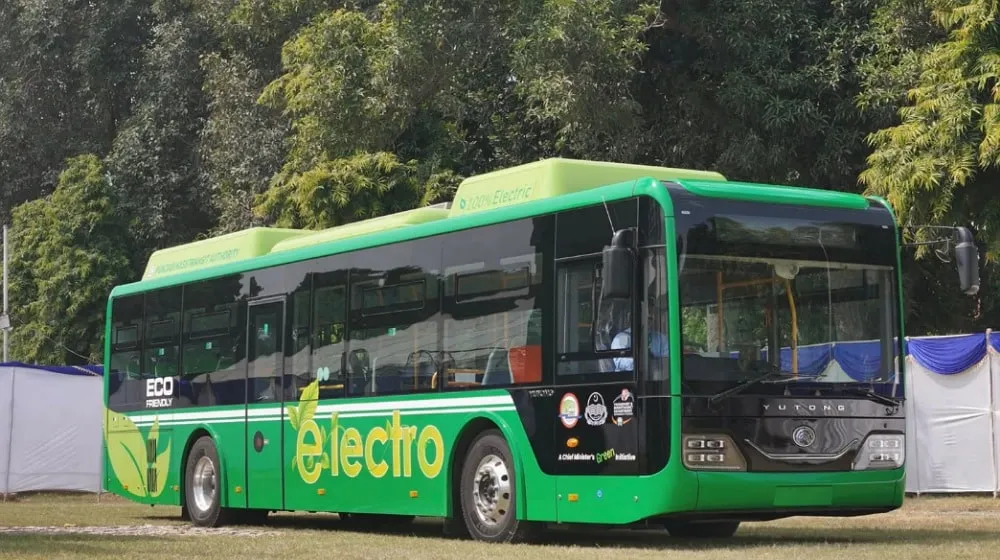
To make this expansion possible, authorities have placed an order for 1,000 new green electric buses. These vehicles will help build a stronger, more connected network that reaches more communities.
Cashless Payments Start March 25
From March 25, 2026, all electric buses in Punjab will switch to a fully cashless system for fare collection. Passengers will have two main options:
- Pay with T-Cash cards
- Use regular bank cards (debit or credit)
Anyone who chooses to pay with cash will face higher fares. Officials say this change will speed up boarding times, reduce cash handling issues, and support smoother operations.
The move aligns with the provincial government’s push for cleaner and more efficient travel. Electric buses produce no tailpipe emissions, which helps improve air quality in crowded cities and towns.
Background on Punjab’s Electric Bus Push
Punjab has been adding electric buses step by step under Chief Minister Maryam Nawaz Sharif’s leadership. The province has already introduced these vehicles in several cities, with recent launches in places like Bahawalpur and Rawalpindi. Earlier deliveries, including models from manufacturers like Yutong, have supported the initial phases.
Also Read: XPENG X9 Now in Pakistan – Price Starts at PKR 28.5 Million
This latest approval for 1,000 more buses signals a major scale-up. It builds on existing infrastructure, such as charging stations and depots, to handle the growing fleet.
The plan is expected to ease pressure on roads, offer reliable rides to daily commuters, and encourage more people to choose public transport over private vehicles.