Pakistan has repaid a $700 million commercial loan to China, causing its foreign exchange reserves held by the State Bank of Pakistan (SBP) to fall to around $15.5 billion. This move comes as the country prepares for the International Monetary Fund’s (IMF) third review of its $7 billion Extended Fund Facility (EFF), with talks expected soon on releasing the next $1 billion tranche.
The repayment involved a loan from the China Development Bank that had been rolled over for three years earlier. Another $1 billion Chinese loan is due in June, and officials may choose to settle it ahead of schedule to arrange fresh financing before the fiscal year closes.
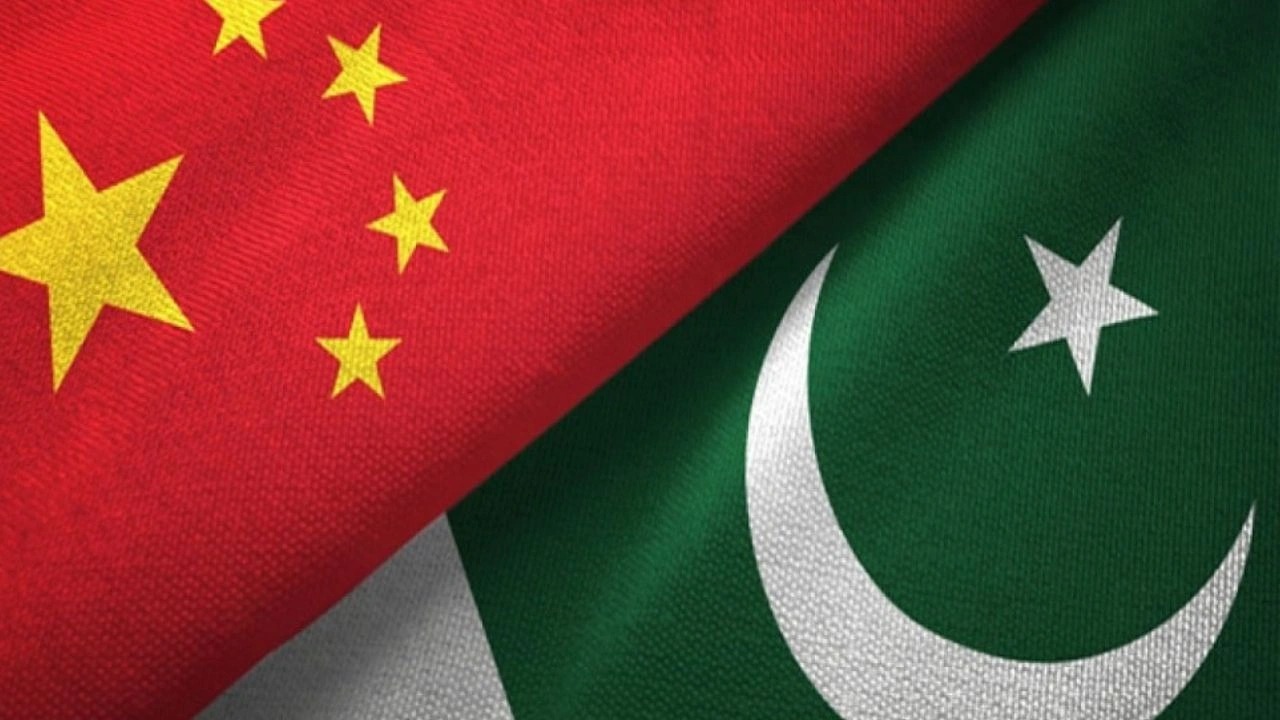
Pakistan depends strongly on support from China, the United Arab Emirates, and Saudi Arabia, plus steady remittance inflows, to handle its external payments. China has provided substantial help through $6.6 billion in commercial loans, $4 billion in cash deposits, and a $4.5 billion credit swap line. This backing has been vital during periods of weak exports and limited foreign direct investment.
After the payment, the SBP stated it plans to cover the drop in reserves by buying dollars locally in the market. The country’s external debt stood at $91.8 billion as of June 2025, boosted mainly by loans from multilateral lenders like the IMF and some commercial borrowings guaranteed by the Asian Development Bank.
The government is also in discussions over extending bilateral cash deposits. The UAE recently renewed $2 billion for only one month instead of the hoped-for two years, and talks continue for more extended terms.
Finance Minister Muhammad Aurangzeb has said that Pakistan’s external financing requirements are covered for now, and no partner country has asked for its deposits back.
Also Read: RDA Seals Site Office of Unauthorized Anchorage Islamabad Phase-II Project
Background on Reserves and IMF Program
Pakistan’s SBP reserves have shown some recovery in recent weeks, with figures around $16.18 billion as of early February 2026 according to official updates, though the repayment likely contributed to a temporary dip. Total liquid reserves, including those with commercial banks, hover near $21 billion. The IMF’s ongoing program focuses on stability, with the third review set to examine progress before approving further funds. Remittances and other inflows are helping build buffers, and the central bank projects reserves could reach $18 billion by June 2026.