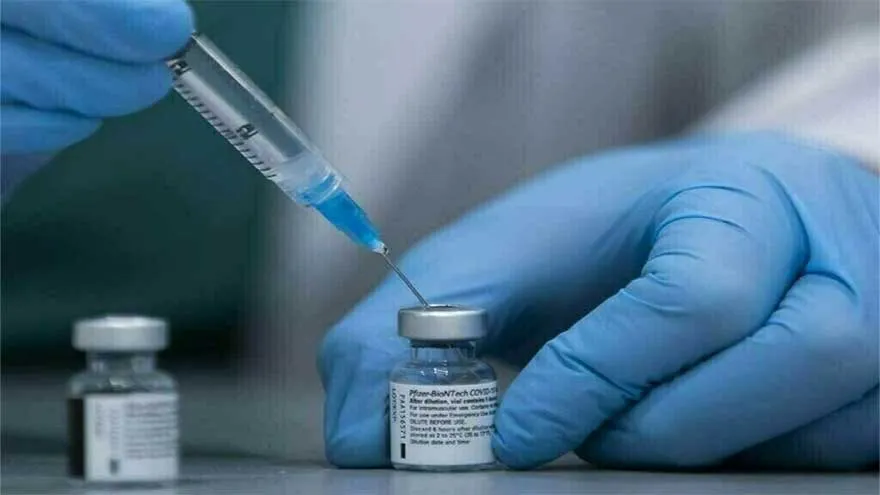
Islamabad – Pakistan’s government has completed a draft policy that offers vaccine makers a 10-year package of financial help and tax breaks. The step seeks to draw investment into domestic production and lower the country’s reliance on imported vaccines, which now cost around $340 million each year.
Official sources confirmed the details to news outlets. Without local manufacturing, imports could climb to $1.2 billion annually by the early 2030s, as donor support fades and population needs grow.
Pakistan sees about 700,000 births every year. This makes regular shots against illnesses like hepatitis, malaria, and dengue critical for child health. The draft treats vaccine production as a matter of national health security.
Key Incentives in the Draft Policy
The proposals include:
- Corporate tax breaks for companies making vaccines.
- No customs duty or sales tax on imported machinery and equipment for production.
- Lower costs for raw materials to make local products more competitive.
- Allowances for investors, plus protection against losses through compensation if needed.
- Relief on spending for research, clinical trials, and staff training.
To give companies steady business, the government plans to buy certified local vaccines for up to 10 years. Local prices would stay below imported ones to ease budget strain and help more people get vaccinated.
The policy suggests setting up a National Vaccine and Biology Fund to fill funding shortfalls. Money could come from groups like the Asian Development Bank, World Bank, Islamic Development Bank, and local sources.
Talks are underway with the International Monetary Fund and Federal Board of Revenue to get clearance for the tax breaks and other supports.
Also Read: Karachi Police Roll Out Mobile App for On-Spot E-Challans
Background and Context
Pakistan imports almost all vaccines at present. Recent reports show the country faces rising costs as international aid for programs like Expanded Programme on Immunisation (EPI) phases out around 2030. Earlier discussions in late 2025 highlighted plans for a National Vaccine Alliance to coordinate efforts, but the latest draft focuses on direct incentives and government purchases.
The policy is in its final review stage. It could receive formal approval soon, marking progress toward better healthcare independence.
This comes amid separate talks on joint production with partners like Saudi Arabia to address supply issues.