Pakistan has seen a clear rise in liquid petroleum gas (LPG) supply after several shipments reached Port Qasim. Industry sources say more than four vessels have arrived recently, bringing in large quantities through terminals like Engro and SSGC. Even so, many households still face high prices for domestic cylinders.
Supply Situation Remains Strong
LPG Traders Association Chairman Irfan Khokhar told the media that imports have been substantial. This has created enough stock to meet needs across the country for both homes and industry. He pointed out that two ships alone — ARIES with 11,000 metric tonnes and ATLANTIC with 12,000 metric tonnes — had already docked, with more expected before Eid.
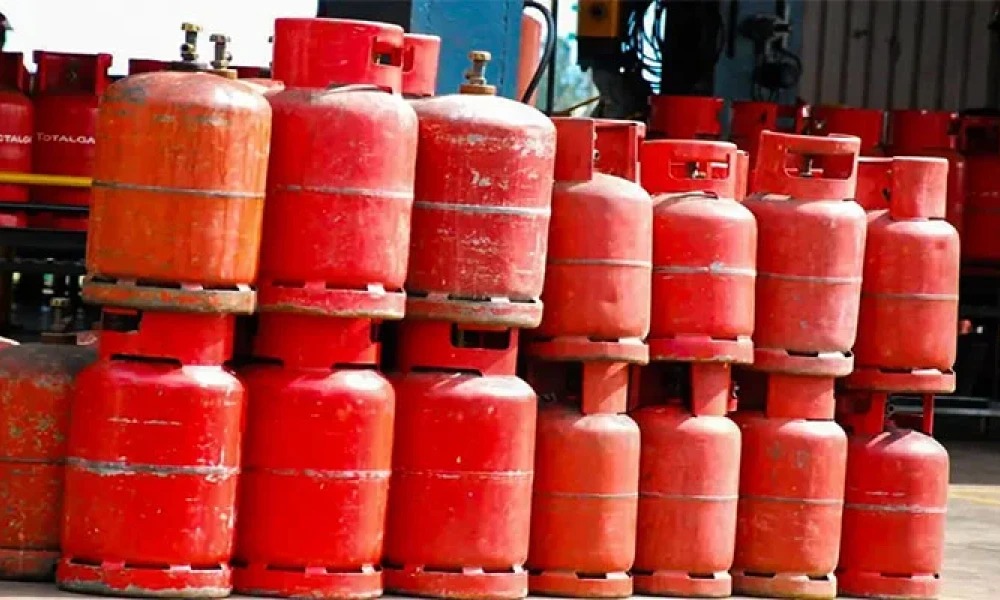
Despite this, retailers are selling domestic LPG cylinders at PKR 460 to 480 per kg in many areas. The official rate notified by OGRA stands much lower at around Rs 304 per kg. A standard 11.8 kg cylinder now costs households significantly more than the government-fixed price.
Reasons Behind High Consumer Prices
Khokhar said that during the recent tensions involving Iran, some local distributors and vendors appeared to work together to push up prices by as much as Rs 5 per kg. This has added to the difficulties faced by people already dealing with expensive petrol and slower economic conditions.
Many families now depend more on LPG cylinders because of frequent natural gas load-shedding and low pipeline pressure. As a result, they end up paying the higher market rates. Retailers argue they have no choice, since they buy from wholesalers and importers at elevated costs.
Call for Better Oversight
The association chairman criticised the Oil and Gas Regulatory Authority (OGRA) and local authorities for not doing enough to stop sales above the official rate. He stressed the need for stronger monitoring to stop profiteering and safeguard ordinary consumers.
The current situation comes amid broader energy challenges in the region. Pakistan relies on LPG imports for a large part of its supply, and any disruption in nearby areas can affect local markets. Even with ships offloading at Port Qasim, the gap between official prices and what people actually pay continues to create frustration.
Authorities have previously directed crackdowns on overcharging, but results on the ground appear mixed. Consumers hope that with steady arrivals of new shipments, prices will ease soon if proper checks are put in place.