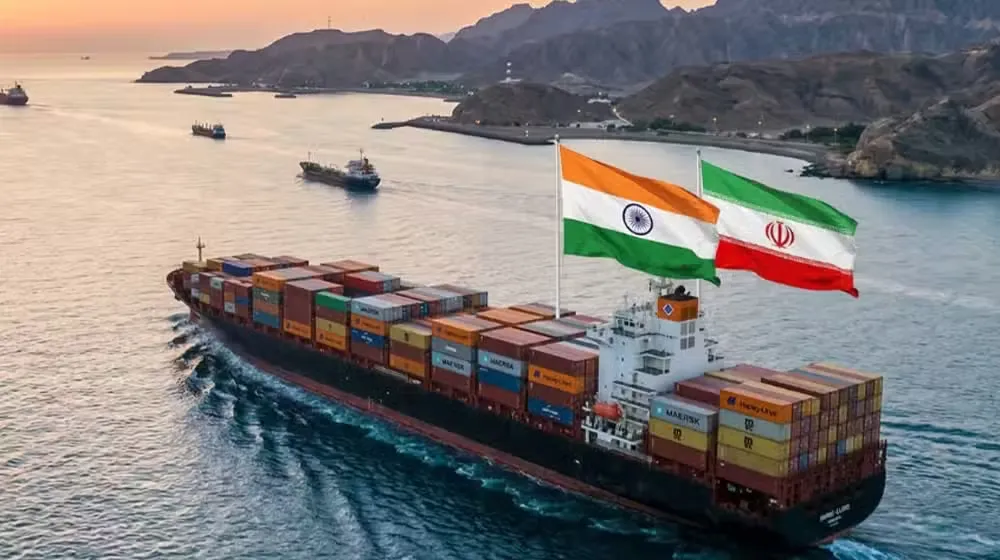
India has received a timely boost in its energy supplies as two Indian-flagged liquefied petroleum gas (LPG) carriers successfully navigated the Strait of Hormuz on Monday, March 23, 2026, amid ongoing regional tensions.
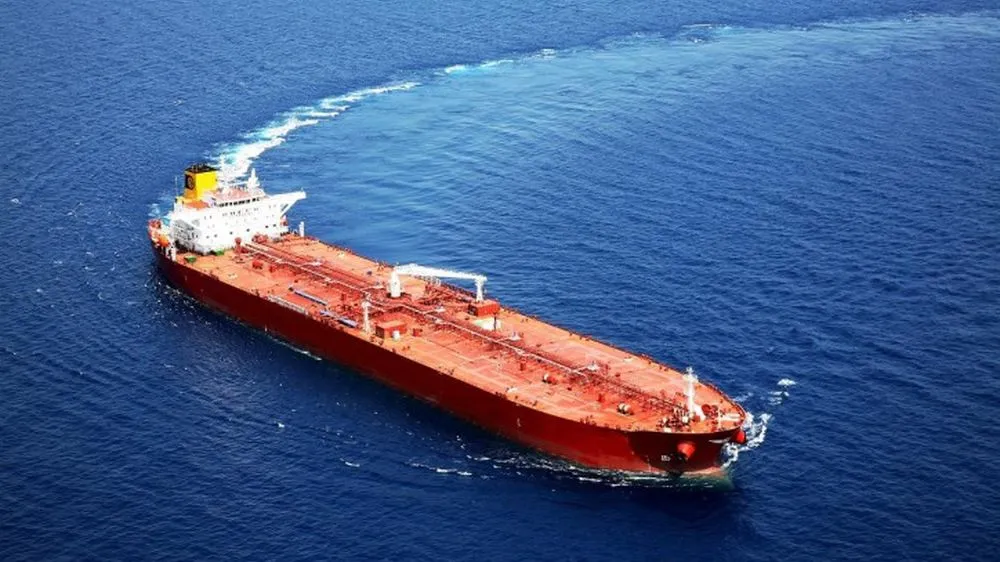
The vessels, Jag Vasant and Pine Gas, both very large gas carriers (VLGCs), moved from the UAE coast toward Iran’s Qeshm and Larak islands, following a route close to the Iranian coastline. Ship-tracking data shows they signaled Indian ownership and are headed toward ports in Gujarat or elsewhere in India. This passage marks continued limited access for certain Indian vessels through the strategic waterway, which Iran has largely restricted for many international ships since the escalation of conflict involving the US, Israel, and Iran.
Background on the Disruption The Strait of Hormuz handles a significant share of global oil and gas shipments. For India, the route is vital—around 90% of its LPG imports from the Middle East normally pass through it. India relies on imports for about 60% of its LPG needs, with much of the fuel used for household cooking in millions of homes.
Recent hostilities have sharply reduced Gulf LPG exports. Maritime intelligence from firms like Windward and Vortexa indicates loadings dropped to around 1.5 million barrels over the past week, the lowest in at least a year, with most going to Asian markets. This has led to supply shortages in India, higher prices, and measures such as prioritizing household distribution over commercial use.
Earlier in March, two other Indian-flagged LPG carriers, Shivalik and Nanda Devi, made similar transits, some under naval escort, providing initial relief. These movements suggest Iran is selectively allowing passage for vessels from certain countries, including India, while blocking others linked to Western interests.
Also Read: Pakistan Faces Huge Gas Shortage As Gulf’s Final LNG Shipments Arrive At Ports
Impact and Response The arrival of these cargoes offers partial relief to households facing cooking gas shortages. However, experts note that the combined volume from recent transits covers only a few days of national demand. India has sought alternative suppliers, including from the US and Argentina, boosted domestic refinery output, and issued port directives to fast-track LPG berthing.
The developments highlight India’s diplomatic efforts to secure energy flows during the crisis.