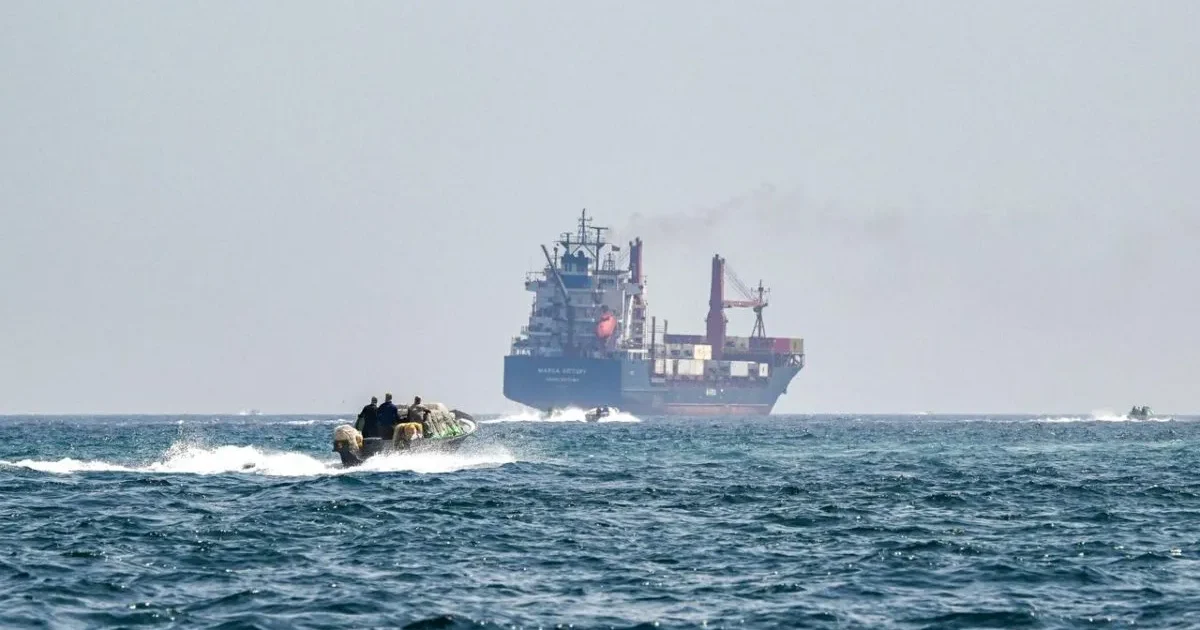
Iran’s central bank has confirmed it has received the first payments from commercial vessels using the Strait of Hormuz, a key global shipping route. The move marks a significant shift in maritime operations in one of the world’s busiest energy corridors.
According to Fars News Agency, payments were made either in cash or foreign currencies. Iranian authorities have ruled out cryptocurrency as a payment option.
How Iran Is Calculating the New Shipping Fees
Officials said the charges vary depending on several factors, including:
- Type of vessel
- Nature of the cargo
- Cargo volume
- Security risk associated with the shipment
Iran has described these payments as transit tolls or security fees, rather than a formal tax.
While officials did not reveal the exact amount collected so far, earlier industry estimates suggested some ships could face charges of up to $2 million per passage.
Why the Strait of Hormuz Matters
Strait of Hormuz is one of the most important waterways in global trade. Nearly 20% of the world’s oil supply passes through this narrow maritime corridor.
Any change in regulations or security conditions in the strait tends to attract immediate attention from energy markets, shipping companies, and governments worldwide.
Rising Regional Tensions Add to Shipping Concerns
The announcement comes as tensions in the Gulf remain high. Reports have pointed to increased naval activity involving the United States Armed Forces near Iranian waters.
Some international outlets have also reported heightened economic and military pressure on shipping connected to Iran. However, not all details have been independently verified.
Potential Impact on Global Energy Markets
Shipping analysts say the new fee structure could add further costs and complexity for operators using the route.
Key concerns include:
- Higher transportation costs
- Potential delays for commercial vessels
- Increased insurance premiums
- Possible effects on global oil prices
The long-term impact will depend on how consistently Iran enforces the new system and whether major international shipping firms accept the arrangement.
What Happens Next
Iran has not yet provided detailed guidance on future enforcement or whether additional rules may follow. Shipping companies and energy traders are likely to monitor developments closely in the coming weeks.
With the Strait of Hormuz serving as a critical artery for global oil exports, even modest policy changes can quickly ripple across international markets.